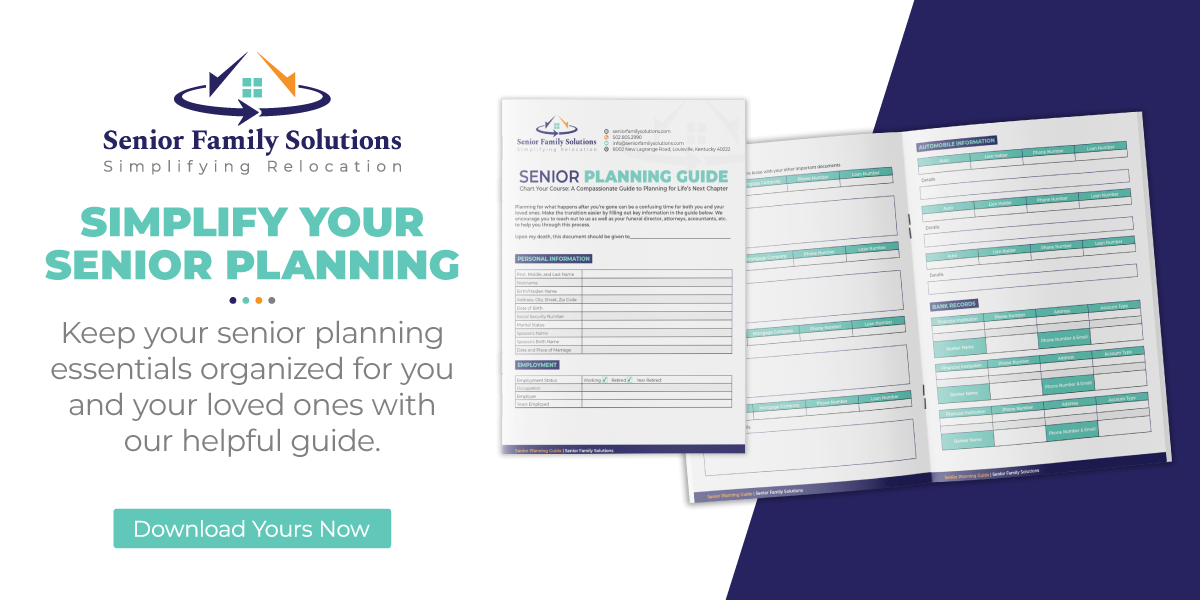

Moving can be a challenging experience for anyone, but for seniors and their families, the process can feel especially daunting. Particularly when it comes to important paperwork. Whether your loved one is transitioning to a retirement community, assisted living, or simply downsizing, gathering the right documents ahead of time smooths the process, protects their interests, and preserves peace of mind.
This guide outlines which essential documents seniors should organize before a move, why each is important, and practical tips for safe storage and accessibility.
Table of Contents
Why Organize Documents Before a Move?
- Minimize Stress: Easily access important papers without frantic searches.
- Maintain Care Continuity: Ensure new providers or communities have the information needed for medication, care, and emergencies.
- Protect Loved Ones: Safeguard against lost benefits, delayed admissions, or unnecessary complications.
Must-Have Personal Identification Documents
Properly organizing and safeguarding identification documents is essential, especially during a move, because these papers form the basis for accessing healthcare, signing leases, proving eligibility for benefits, and establishing residency in a new community. Losing track of these documents can lead to costly delays or complications with healthcare, banking, and legal processes.
Birth Certificate
- A certified copy of the birth certificate serves as official proof of age, citizenship, and parentage.
- Where to get it: If the original is lost, you can request a replacement from the vital records office in the state where your loved one was born. Processing times and fees vary by state.
Social Security Card
- The Social Security card contains a unique identifier tied to U.S. government programs, financial accounts, and medical records.
- Protection: Guard against loss or identity theft by storing the card securely, never carry the original unless absolutely necessary.
- Replacement: Lost cards can be replaced by requesting through the Social Security Administration website or office.
Driver’s License or State ID
-
A current, government-issued photo ID validates your loved one's identity and address for a variety of everyday and legal needs.
-
Updating: If the address is changing as part of a move, be sure to update the license or ID promptly, as many services and facilities require current proof of address.
Non-Drivers: For seniors who no longer drive, a state-issued ID provides the same benefits without the need for driving privileges.
Passport
-
A passport is the gold standard of identification, not just for travel, but for certain legal or residency requirements.
Expiration: Check expiration dates well before a move, especially if travel may be part of future plans.
Critical Medical Documents
Having medical information prepared ensures safety and proper care as your loved one transitions.
Health Insurance Cards (Medicare/Medicaid/Supplemental)
Guarantee prompt billing and coverage.
Medication List with Dosages
Prevents drug errors or missed doses.
Medical History, Allergies, and Vaccination Records
Essential for new providers and emergency care.
Advance Directives/Living Will
Legally records end-of-life health wishes.
Healthcare Power of Attorney
Enables a trusted agent to make medical decisions if your loved one becomes unable.
Tip: Update the medication and allergy lists before the move and keep copies with the senior and primary caregiver.
Key Legal Documents
Having the right legal paperwork ensures your loved one’s wishes and best interests are protected. The following documents are essential, and an Elder Law Attorney can help update or create them:
Durable Power of Attorney
Appoints someone to manage financial and legal matters if your loved one becomes unable to do so.
Will
Specifies how property and assets should be distributed after death.
Living Will
Outlines preferences for medical treatment and end-of-life care if your loved one can’t communicate their wishes.
Medical Power of Attorney (Healthcare Surrogate)
Designates a person to make healthcare decisions in situations when your loved one cannot.
Essential Financial Records
Maintaining up-to-date financial paperwork is key to avoiding preventable setbacks with housing, care, and banking. These documents help prove assets, verify income, and manage property throughout a move.
Bank Account Information
Records for checking and savings accounts are needed for direct deposits, ongoing bill payments, and verifying income sources. Having account numbers, institution contacts, and online login details makes management easier.
Investment & Retirement Account Details
Keep statements or summaries of IRAs, 401(k)s, stocks, and other investments. These ensure uninterrupted access and proper handling of withdrawals or required distributions.
Income Statements (Social Security, pension, annuities)
Current benefit statements are often required when applying for admission to care facilities, qualifying for loans or subsidies, or proving income for housing.
Recent Tax Returns
Copies of the last two years' federal and state tax returns help verify income for healthcare programs, eligibility assessments, and some residency or leasing situations.
Property Deeds, Titles, or Lease Agreements
These documents prove ownership or tenancy of homes, vehicles, and other assets, and are required for any sale, transfer, or changes in living arrangements.
Tip: Consolidate this information into a labeled, organized folder, digital or physical.
Important Contact Information
- Quick access to trusted contacts reduces anxiety in urgent situations.
- List of Family Members & Emergency Contacts
- Doctors/Specialists with Contact Info
- Attorney and Financial Advisor Contact Details
Tip: Keep a paper list in an obvious location and a digital version on a phone or computer.
Moving and Transition-Specific Documents
These help facilitate logistics, transparency, and accountability during the move.
- Moving Partner Contracts
- Detailed Inventory of Belongings
- Senior Living Community Agreements and Assessments
Get Support for a Smoother Transition
Organizing documents is the first vital step for a successful, low-stress move. The team at Senior Family Solutions can take the guesswork out of the relocation process with hands-on guidance, resources, and comprehensive transition services.
Ready to make your loved one’s move stress-free? Contact Senior Family Solutions today